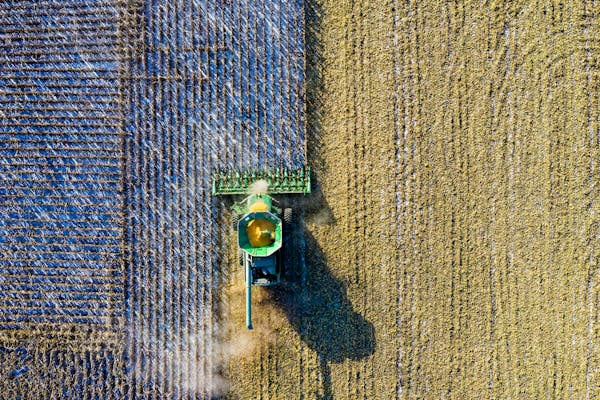
You can only step into a grocery store these days if you see or hear the word organic, but what does organic mean? According to the Merriam-Webster dictionary, the use of foods produced using plant or animal-derived feeds or fertilizers without chemically formulated fertilizers, growth stimulants, antibiotics, or pesticides. Point to. This definition can be used to understand what organic foods are, but it does not reveal what organic foods mean. Many people buy organic foods for no reason. "I heard it's good for you," they might answer. In reality, organic foods are less nutritious than traditional (ie, chemically fertilized, etc.) cultivated foods. (Science 2.0, July 29, 2009) There are no nutritional differences, but as explained in the definition above, the methods of making organic and traditional foods are quite different. Organic farming is far better for the environment and, by extension, for us and for humankind. The question here is not whether organic agriculture can feed the world, but how long the planet can survive the effects of traditional farming methods. Organic and sustainable agriculture must realize the potential to feed the world so that it can continue to prosper.


0 Comments