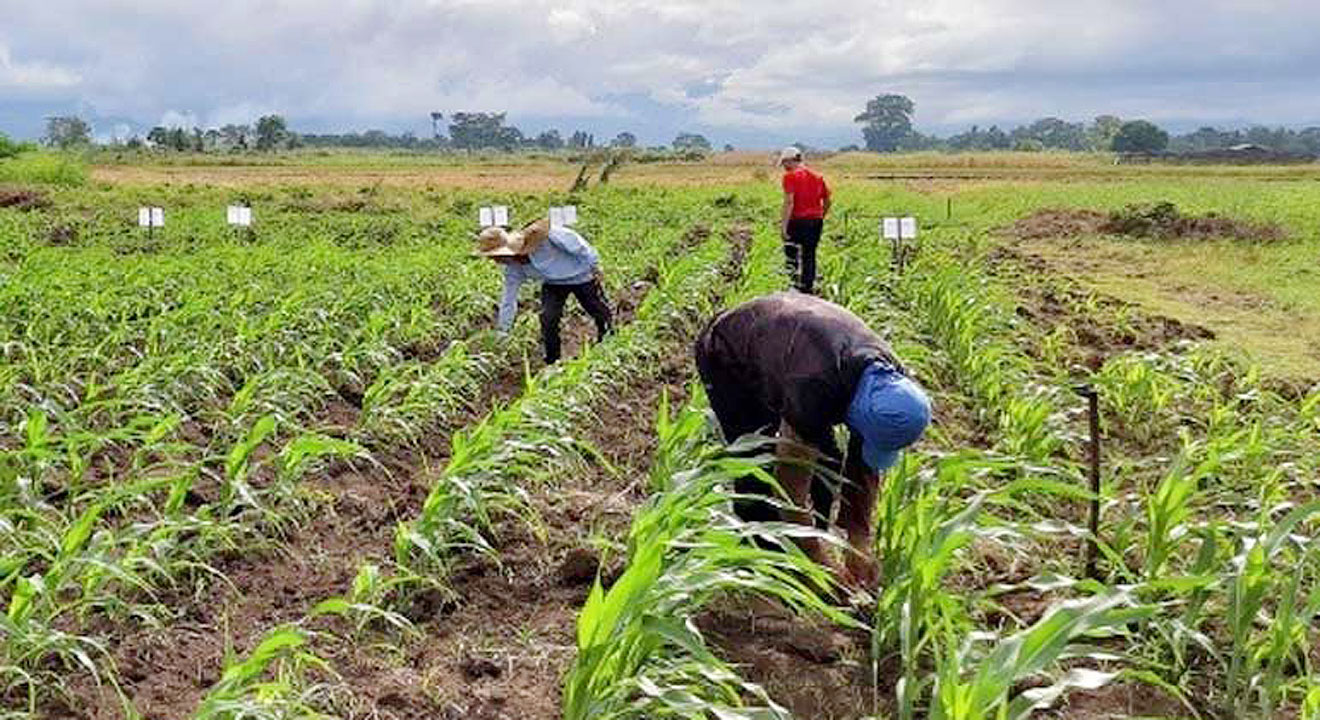
The farming industry, often romanticized for its connection to the land and the production of essential resources, faces a myriad of challenges in the contemporary world. From climate change and technological advancements to socio-economic factors, farmers find themselves navigating a complex landscape. In this article, we delve into the pressing challenges that the farming industry confronts today and explore potential solutions for a sustainable future.
- Climate Change and Unpredictable Weather Patterns
Climate change poses a significant threat to agriculture. Shifts in weather patterns, extreme events such as droughts and floods, and unpredictable growing seasons disrupt traditional farming practices. Farmers must adapt to these changes, embracing resilient crops and sustainable water management practices to ensure consistent yields.
- Resource Scarcity and Depleting Soil Health
As global populations grow, the demand for food intensifies, putting strain on natural resources. Soil degradation and nutrient depletion challenge farmers to adopt sustainable farming practices, including crop rotation, cover cropping, and precision agriculture, to maintain and improve soil health for future generations.
- Technological Gaps and Access to Innovation
While technology has the potential to revolutionize agriculture, many farmers, particularly in developing regions, face challenges in accessing and adopting innovative tools. Bridging the technological gap is crucial for improving efficiency, optimizing resource use, and enhancing overall productivity in the farming sector.
- Rising Costs and Fluctuating Market Prices
The costs associated with farming, including equipment, seeds, and fertilizers, continue to rise. Simultaneously, market prices for agricultural products can be volatile, making it challenging for farmers to predict and plan their budgets effectively. Sustainable financial management practices and support systems are essential to help farmers withstand economic uncertainties.
- Water Scarcity and Sustainable Water Management
Water scarcity is a growing concern globally, affecting agriculture in numerous regions. Farmers must adopt water-efficient irrigation methods, invest in water storage technologies, and implement sustainable water management practices to ensure the responsible use of this critical resource.
- Regulatory Challenges and Policy Uncertainties
Farmers navigate complex regulatory environments and policy uncertainties that impact their operations. Clear and supportive policies, coupled with education and advocacy, are necessary to create an enabling environment for sustainable farming practices.
- Labor Shortages and Changing Demographics
The aging demographic of farmers and a decreasing interest among the younger generation in pursuing a career in agriculture contribute to labor shortages. Encouraging youth involvement through education, mentorship programs, and technological integration can address this challenge and invigorate the farming sector.
In the face of these challenges, the farming industry must adapt, innovate, and collaborate to secure a sustainable future. By prioritizing environmental stewardship, embracing technological advancements, and fostering supportive policies, farmers can navigate the complexities of the modern agricultural landscape and ensure a resilient and productive future for generations to come.


0 Comments